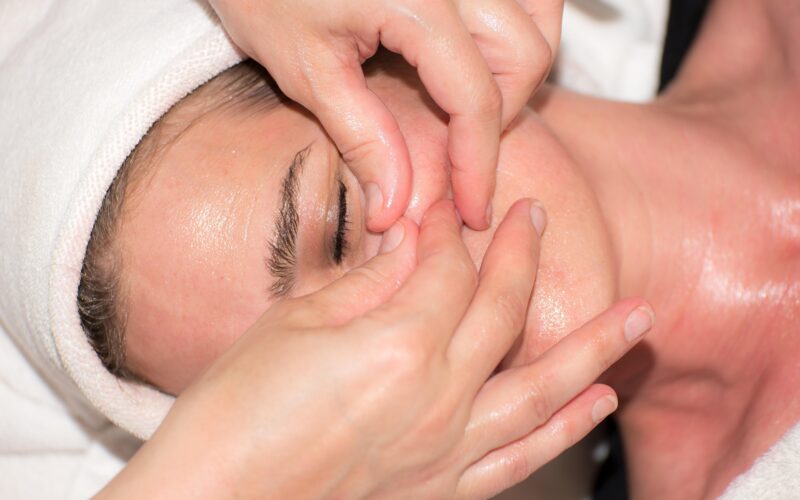
A spa facial is more than a moment of calm — it's a carefully sequenced skin treatment grounded in biology. From the first cleanse to the final moisturiser, each step is designed to interact with your skin at a cellular level. Understanding the science behind these treatments can help you make more informed choices about your skincare routine and get the most from your next appointment.
The role of cleansing and exfoliation
Every facial begins with cleansing, which removes surface debris, excess oil, and environmental pollutants that accumulate throughout the day. This step prepares the skin to absorb active ingredients more effectively. Exfoliation follows, using either physical or chemical agents to slough away dead skin cells. Many physical exfoliants contain dried aggregates — finely milled mineral particles, including silica sand — that gently abrade the skin's surface without causing micro-tears. This process stimulates cell turnover, encouraging fresher, younger skin cells to rise to the surface.
How steam opens up the skin
Steam is a staple of most professional facials, and its effects go beyond simple relaxation. When warm vapour is applied to the face, it raises the skin's surface temperature and causes the pores to dilate. This makes it significantly easier for therapists to perform extractions and for serums to penetrate deeper into the dermis. The increased circulation that comes with gentle heat also delivers more oxygen and nutrients to skin cells, giving the complexion a natural, healthy glow.
The science of detoxification
The concept of "detoxing" the skin is often misunderstood. The skin itself is an organ of elimination — it sweats, sheds, and forms a protective barrier against external threats. A facial supports this process by removing congestion, reducing inflammation, and applying antioxidant-rich ingredients that neutralise free radicals. Clay and charcoal masks, for instance, work by drawing impurities to the surface through adsorption — a process where molecules adhere to the mask's surface rather than being absorbed into it.
Active ingredients and their mechanisms
The serums and treatments applied mid-facial are where much of the targeted skincare work happens. Hyaluronic acid attracts and retains moisture in the skin's upper layers, plumping fine lines almost immediately. Vitamin C inhibits melanin production and supports collagen synthesis. Retinoids accelerate cell turnover by binding to specific receptors in skin cells, making them particularly effective for addressing signs of ageing. Each ingredient is chosen to complement the others in a treatment sequence, maximising the overall result.
Why massage matters more than you think
Facial massage is not merely a relaxing addition — it has measurable physiological effects. Lymphatic drainage techniques help reduce puffiness by encouraging the movement of lymph fluid away from the face. Stimulating the underlying facial muscles can improve muscle tone over time, whilst boosting microcirculation for a more radiant appearance. Studies have also shown that facial massage reduces levels of cortisol, the primary stress hormone, which can contribute to breakouts and accelerated skin ageing.
Getting the most from your facial
To maximise the benefits of a spa facial, preparation and aftercare are just as important as the treatment itself. Arriving with clean skin and avoiding exfoliating products for 48 hours beforehand allows the therapist to work more effectively. After your facial, the skin is particularly receptive to active ingredients, so applying a high-quality moisturiser and SPF is essential. Staying hydrated and avoiding heavy make-up for at least 24 hours post-treatment gives the skin time to settle and absorb the full benefit of what has been applied. Regular facials, spaced four to six weeks apart, deliver the most consistent and lasting results.