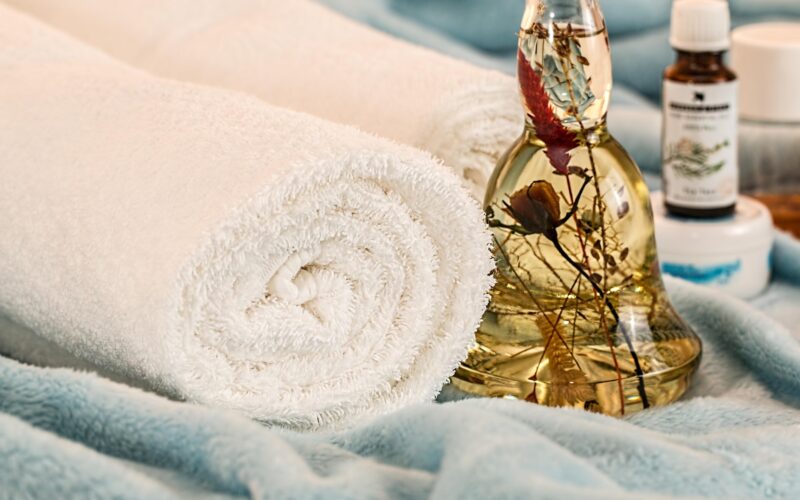
When people book a spa day, they will almost always attach a small apology to it, admitting that it feels a little indulgent but explaining that they have been so stressed lately. The treat has to be earned, excused and justified against some invisible ledger of more sensible spending. It is a curious reflex, because nobody apologises for servicing a car or repainting a window frame, and a spa day, looked at honestly, belongs far closer to maintenance than to luxury. Behind the fluffy robes and scented oils, something genuinely worthwhile is taking place.
The rarest thing on the menu
Strip away the eucalyptus and what a spa actually sells is something almost impossible to buy elsewhere: hours of genuinely uninterrupted time. The phone goes into a locker at the door — not on silent, not face down on the table, but physically elsewhere — and with it goes the entire apparatus of demands that follows most people from waking to sleep. What remains is a stretch of the day with no tasks, no screens and no one needing anything, in a place deliberately engineered for calm. Modern life has made that combination scarcer than any massage oil. Many first-timers report that the strangest part of the experience is the first half hour of doing nothing, and the loveliest part is the moment doing nothing stops feeling strange. That alone — the rediscovery that stillness is survivable, even delicious — would justify the ticket price before a single treatment begins.
What the warmth and the hands are doing
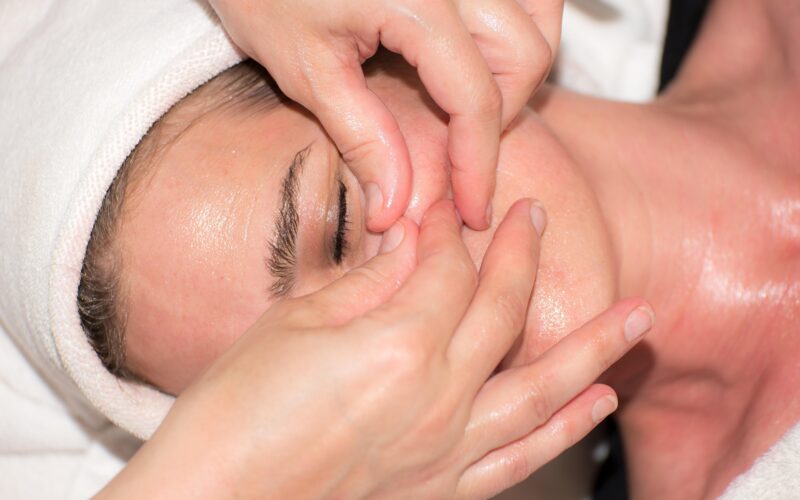
The treatments themselves, meanwhile, turn out to be far from empty ceremony. Heat is one of the oldest comforts humans know: warm water, steam rooms and heated loungers coax tight muscles into letting go of tension they have been holding, in some cases, for months. Massage works the knots that desks, driving and stress write into shoulders and backs, and the simple fact of unhurried, attentive human touch is soothing in a way that is easy to underestimate until it is experienced. People float out of a good treatment breathing slower and standing taller, and very commonly sleep that night more deeply than they have in weeks. The glow is not imaginary and it is not merely moisturiser; it is what a body looks like when the alarm systems have finally been switched off for an afternoon.
An instinct as old as civilisation
If any further defence of the spa were needed, history supplies it generously. The Romans built baths at the centre of their towns and treated them as essential civic life — places to soak, sweat, be scraped clean and talk for hours. The Ottoman hammam, the Japanese onsen, the Finnish sauna and the spa towns of Georgian England all tell the same story: virtually every culture that could manage it has built rituals of warmth, water and rest, and none of them regarded it as frivolous. The pampered generation is not us; if anything, we are the historical oddity — the first people to feel guilty about it. Booking a spa day is not surrendering to a modern indulgence. It is rejoining one of humanity's oldest and most sensible habits.
Spending the day well
A little intention turns a nice day into a properly restorative one. Arrive early rather than rushing in for a treatment slot, because the pools, steam and quiet rooms are the heart of the experience, not the warm-up act. Resist the urge to overschedule; two treatments with generous emptiness around them beat five stacked like meetings. Leave the phone in the locker for the whole visit — checking it at lunch reboots everything you just switched off. Go solo if what you crave is silence, or with a friend if what you crave is unhurried conversation; both are legitimate medicines. And before leaving, notice how you feel, because that state is portable in miniature: the weekly bath with the door locked, the screen-free Sunday hour, the habit of sitting still with a cup of tea can all carry a little of the spa home.
None of this is to argue that a spa day is cheap, or that anyone needs one in order to live well. The apology, however, can be safely retired, because a day spent easing a tired body, quieting a busy mind and practising the lost art of rest is not money thrown at vanity but genuine upkeep for the only body you will ever have. By booking it without guilt and at sensible intervals, and ideally before you are completely worn out, you give yourself one of the simplest and most restorative forms of care there is.